USFCR Blog

Partnering with Prime Contractors: A Subcontractor's Guide

Aug 4, 2026, 10:30:00 AM / by Kyle Hayes posted in Guides, Registration & Compliance Management, Subcontracting & Teaming

Quick Answer

Subcontracting is one of the most practical ways to enter and grow in federal contracting. Instead of competing for a prime contract directly, you partner with a company that holds one and deliver part of the work. For many businesses, it is a lower-barrier way to win federal revenue, build past performance, and learn how federal work runs, all of which strengthen your position for prime work later.

Read More

How Contractors Can Prepare for Washington Wildfire Disaster Response Work

Aug 3, 2026, 2:00:00 PM / by Kyle Hayes posted in Guides, News, Disaster Relief, Registration & Compliance Management

Quick Answer

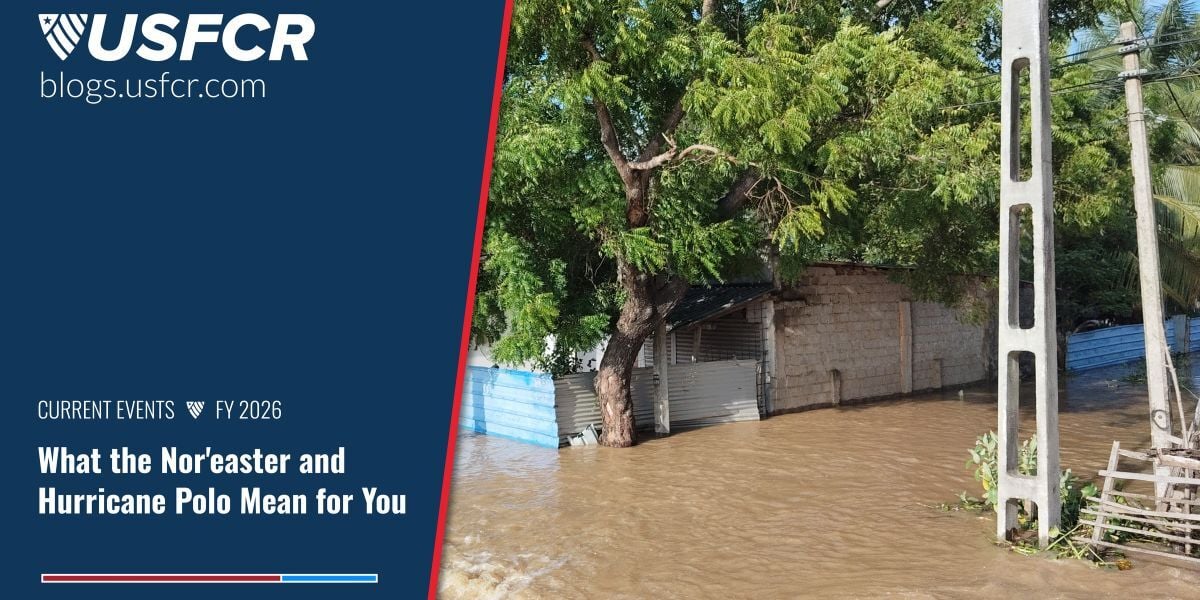
Washington's 2026 wildfire season has burned roughly 425,000 to 450,000 acres, the most since 2021, and fast-moving fires near Spokane have destroyed hundreds of structures. Governor Bob Ferguson requested a federal emergency declaration on August 2, but as of this writing it has not been approved, and only firefighting-cost grants (FMAGs) are active. The practical action for contractors is to get SAM registration and the Disaster Response Registry in place now, because large-scale recovery contracting opens only after a presidential declaration.

Read More

Contingent job offers in government contracting: what they mean and what to ask before you sign

Aug 3, 2026, 11:02:00 AM / by USFCR posted in News

A contingent job offer is a written offer of employment that only becomes real if a specific event happens first. In federal contracting, that event is almost always one of three things: the company winning the contract, the government customer approving you for the seat, or your clearance or suitability processing coming back favorable. Signing one holds a spot. It does not guarantee a job, and it does not obligate you to accept if the condition clears months later.

Read More

Do I Qualify for Federal Set-Asides?

Aug 3, 2026, 8:45:00 AM / by Mike Goetz posted in USFCR Academy

Understanding Federal Set-Asides

Read More

Simplified Acquisition Procedures: Important Changes You Should Know

Jul 30, 2026, 10:30:00 AM / by Kyle Hayes posted in Simplified Acquisition Program (SAP), News, Federal Spending, Registration & Compliance Management

Quick Answer

The simplified acquisition thresholds increased effective October 1, 2025, the start of fiscal year 2026. The micro-purchase threshold rose from $10,000 to $15,000, and the simplified acquisition threshold rose from $250,000 to $350,000. The practical effect is that more federal purchases now fall into the faster, lighter simplified buying lane, a space where small businesses compete well and a clean, responsive quote matters more than a long proposal.

Read More

Warranties and Guarantees: Government vs. Commercial Expectations

Jul 28, 2026, 10:30:01 AM / by Kyle Hayes posted in Guides, Registration & Compliance Management

Quick Answer

In commercial business, a warranty is a standard, expected part of a sale and often a selling point. In government contracting, a warranty is optional and weighed against its cost, because the government often relies on its inspection and acceptance rights instead. The practical difference is that the warranty and guarantee terms you treat as automatic in commercial work do not transfer directly to a federal contract.

Read More

Disaster Contracting Checklist: What You Need to Know About Providing Services

Jul 23, 2026, 10:30:01 AM / by Kyle Hayes posted in Guides, Disaster Relief, Registration & Compliance Management, Industry-Specific Contracting

Quick Answer

To provide federal disaster relief services, you have to be registered and ready before a disaster happens, because the government buys fast once one does and turns to contractors who are already prepared. The essentials are an active federal registration, a place on the Disaster Response Registry, capabilities the government can find and verify, and an understanding of how disaster buying favors local, prepared firms. Readiness, not reaction, is what makes you available to help.

Read More

How to Be Ready for Federal Disaster Response Contracts Before the Storm Hits

Jul 22, 2026, 4:55:55 PM / by USFCR posted in News, Disaster Relief

Contractors who win disaster response work are almost always registered, coded, and positioned before the disaster happens. Once a declaration is issued, agencies buy fast, and the vendors who get called are the ones already sitting in the system with the right codes and a clean registration.

That's the hard part to accept. When you watch a storm move toward the coast and think about the debris removal, temporary power, and logistics work that's about to be awarded, the instinct is to go get registered right now. But registration takes time, and the buying window is short. The contractors picking up that work made their moves months ago.

Here's what "ready" actually looks like.

Read More

Security Clearance Levels Explained: Confidential, Secret, and Top Secret

Jul 22, 2026, 3:02:09 PM / by USFCR posted in News, Controlled Unclassified Information (CUI)

T here are three security clearance levels. Confidential, Secret, and Top Secret. Almost everything else you have heard called a "clearance level" is either an access program layered on top of one of those three, or a different kind of vetting entirely.

That distinction trips up more people than any other part of this topic. So let's start there.

What the three levels actually are

The federal government classifies national security information based on how much damage its unauthorized disclosure would cause. The three clearance levels map directly to those three damage categories.

Confidential: Disclosure could reasonably be expected to cause damage to national security.

Secret: Disclosure could reasonably be expected to cause serious damage to national security.

Top Secret: Disclosure could reasonably be expected to cause exceptionally grave damage to national security.

That language is not marketing copy. It comes from the executive order governing classification, and adjudicators apply it literally. The escalating adjectives are the whole distinction: damage, serious damage, exceptionally grave damage.

Read More

Why SAM Entity Validation Fails and How to Fix It

Jul 22, 2026, 10:30:00 AM / by Kyle Hayes posted in Guides, Registration & Compliance Management

Quick Answer

SAM.gov shows "Entity Validation Failed" or "No Match Found" when its Entity Validation Service can't match the legal name and address you entered against outside records like the IRS and your state's business filings. The most common causes are small formatting differences, a too-new EIN, or an address the system misreads as a duplicate. Your registration stays blocked until the mismatch is corrected or a Federal Service Desk ticket resolves it with the right documentation.

Read More