Quick Answer
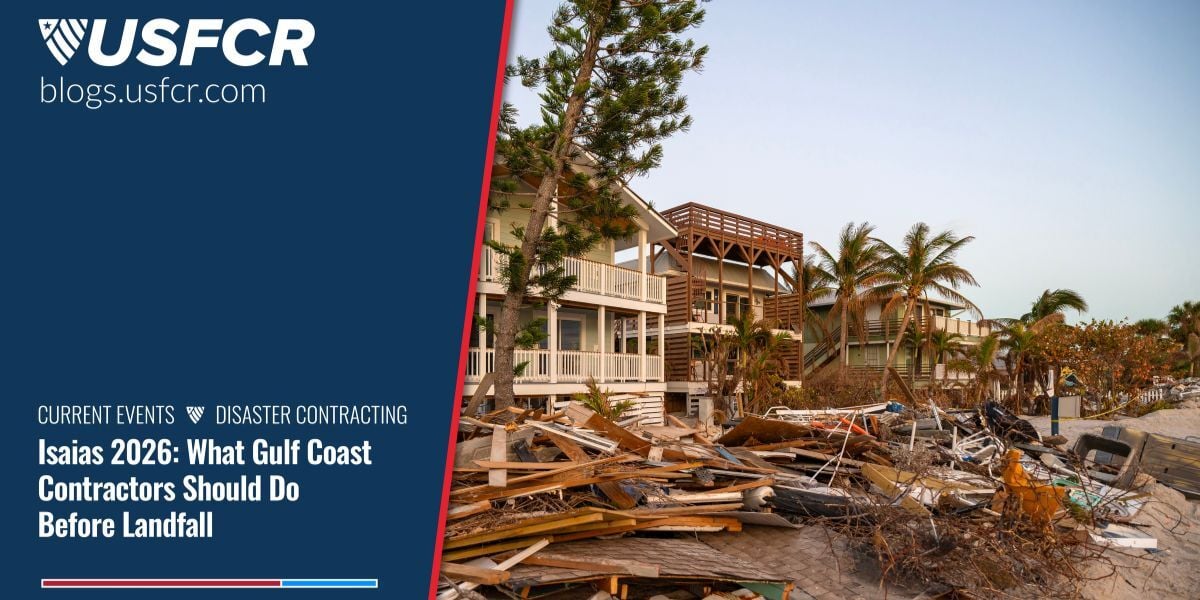
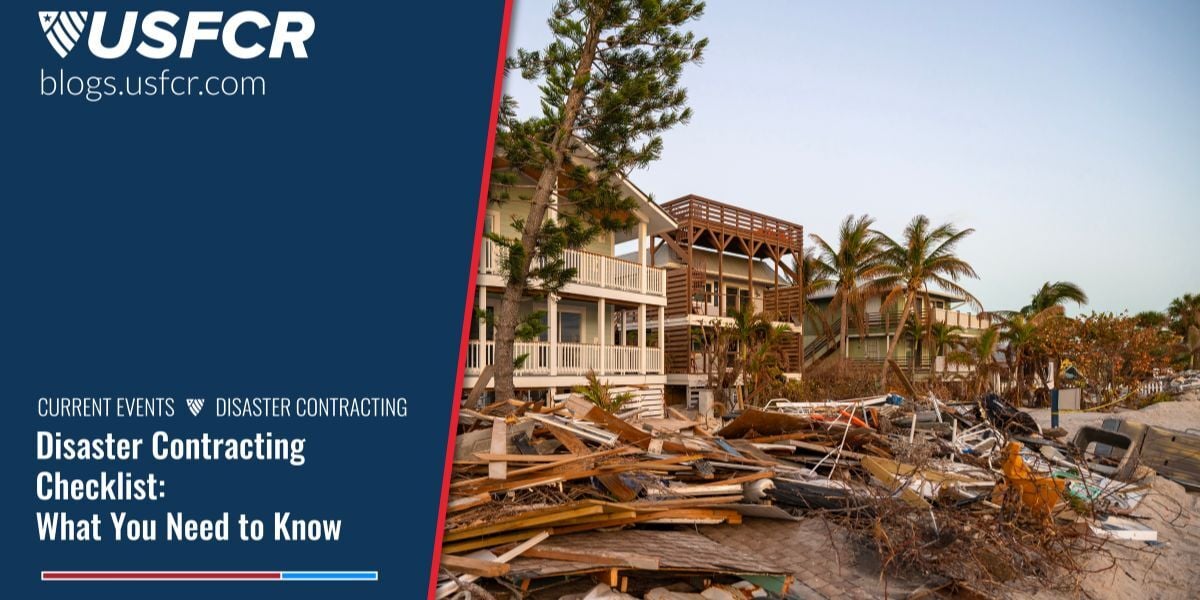
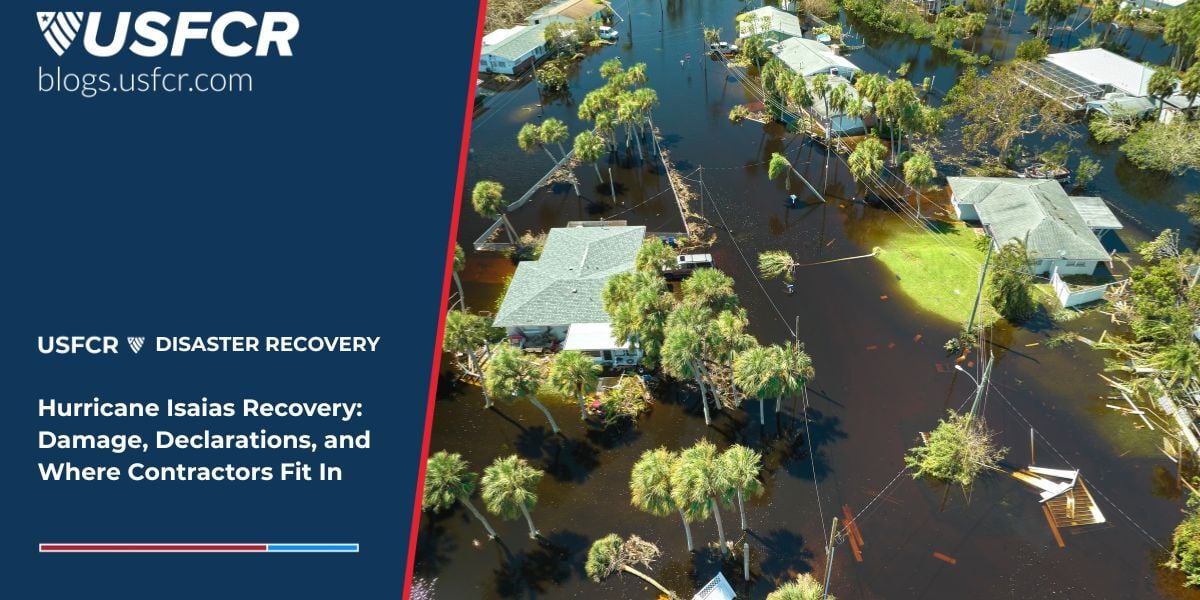
Hurricane Isaias made landfall near Destin, Florida, on October 9, 2026, as a Category 2 storm, and recovery is still in the emergency stage. Federal emergency declarations for parts of Florida, Alabama, and Georgia currently fund only emergency protective measures. That means most contractor work right now runs through counties, cities, and established prime contractors. An active SAM registration with a Disaster Response Registry listing is the first step toward getting involved.