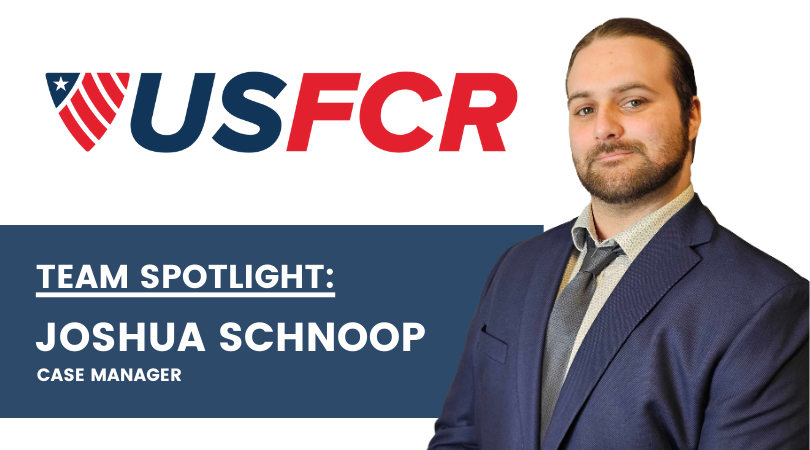
Joshua Schnoop joined USFCR as a Case Manager in May 2024, bringing nearly a decade of experience in management and contact centers. Prior to joining USFCR, he served as a Workforce Management Analyst and Interim Operations Manager at a medical call center. Joshua is also a certified mechanic and holds an honorary doctorate in metaphysics.
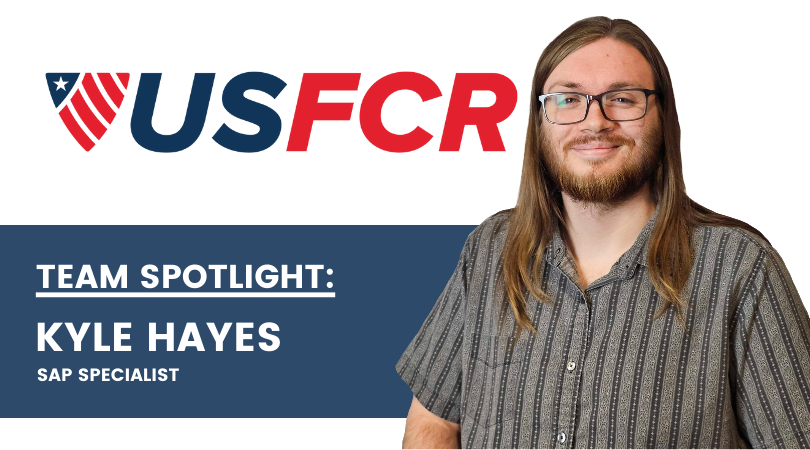
Kyle Hayes joined US Federal Contractor Registration (USFCR) in June 2024, bringing a strong passion for helping small businesses succeed. He holds a Bachelor's degree in Business Management and Organizational Leadership with a focus on Small Business Entrepreneurship.
The National Endowment for the Humanities (NEH) is now accepting applications for its Public Humanities Projects program, which supports projects designed to bring humanities scholarship to the public. This grant offers organizations an opportunity to engage audiences with topics like history, literature, and ethics through exhibitions, programs at historic sites, and public discussions. Whether you are developing a museum exhibit or organizing a public lecture series, this funding can help make your project a reality.
Do you have a passion for making a difference in the lives of individuals with disabilities? The National Institute on Disability, Independent Living, and Rehabilitation Research (NIDILRR) is offering an incredible opportunity through its Small Business Innovation Research (SBIR) program. All funded projects must address the needs of individuals with disabilities and align with NIDILRR's mission, presenting a robust approach to significant technological or scientific questions.
If you’re aiming to break into the federal marketplace, your first step is securing a SAM registration. This crucial move opens the door to countless federal contracts, grants, and cooperative agreements. But it’s more than just compliance—SAM registration, along with your UEI (Unique Entity Identifier) and CAGE code (Commercial and Government Entity code), offers powerful tools to grow your business. Here’s a detailed look at what you can achieve once you’re registered.
Looking to win federal contracts? Understanding the Uniform Contract Format (UCF) is a critical step. Outlined in FAR 15.204-1, the UCF ensures federal solicitations follow a consistent structure, helping vendors quickly locate key information.
What is the Uniform Contract Format?
The UCF standardizes how federal solicitations are written, ensuring consistency across documents. This makes it easier for businesses to navigate the solicitation process and find relevant details for effective bid preparation. Although each solicitation might include different documents, the structure remains the same, streamlining the process.
In the competitive world of federal contracting, large businesses are always on the lookout for opportunities that provide stability, long-term growth, and the flexibility to expand their operations. One of the most powerful tools at their disposal is the Indefinite Delivery/Indefinite Quantity (IDIQ) contract, particularly those available through the General Services Administration (GSA). For enterprises with the capacity and infrastructure to manage large-scale projects, IDIQ contracts offer a strategic advantage that can be pivotal in securing a steady stream of revenue and business growth.
Why the U.S. Army Corps of Engineers’ Pre-Approved Subcontractor List Matters for Your Business
When it comes to working with the U.S. Army Corps of Engineers (USACE), few opportunities are as valuable as being a subcontractor on one of their many important projects. The Army Corps is involved in a wide range of infrastructure initiatives, from flood control and environmental restoration to military construction and disaster recovery.
.png)
Simplified Acquisition Procedure: A Guide for Federal Contractors
The Simplified Acquisition Procedures, detailed in the Federal Acquisition Regulation (FAR) Part 13, provide a more streamlined approach to federal purchasing. These procedures are designed to make the acquisition of supplies and services quicker and less burdensome for the government.
In today's volatile and interconnected global economy, supply chains are more complex and vulnerable than ever. Disasters—whether natural events like hurricanes and earthquakes or man-made crises such as cyber-attacks and geopolitical conflicts—pose significant risks to supply chains. For contractors, ensuring the resilience and security of supply chains during such events is crucial to maintain operations, meet client commitments, and protect their reputation. This comprehensive guide provides strategies for contractors to manage and secure their supply chains, ensuring timely delivery of goods and services during disasters.
