USFCR Blog

Year-End Closeout: Government vs. Commercial Accounting

Nov 17, 2026, 10:30:01 AM / by Kyle Hayes posted in Guides, Federal Spending, Registration & Compliance Management

Quick Answer

Commercial businesses close the year for taxes and financial statements. Government contractors close the same books, and on cost-type work they run a second layer that reconciles billed indirect rates against actuals, scrubs unallowable costs from the pools, and starts the six-month clock for the incurred cost submission. Records discipline applies to every contract type. The commercial close answers what you earned, and the government layer proves what you billed.


Read More

Year-End Agency Spending: Last-Minute Opportunities

Nov 12, 2026, 10:30:00 AM / by Kyle Hayes posted in Federal Spending, Events, Registration & Compliance Management

Quick Answer

December's quiet is itself the opportunity. Agencies keep posting solicitations through the holidays; many businesses wind down for the year, and deadlines landing in early January reward the contractors who kept working. Add the smaller purchases that close before December 31, and the last weeks of the calendar year hold more live opportunity than the season suggests. The one thing to watch is December 11, when current funding runs out.

Read More

2027 Planning: Your Complete Federal Contracting Roadmap

Nov 10, 2026, 10:30:01 AM / by Kyle Hayes posted in Guides, Federal Spending, Registration & Compliance Management

Quick Answer

A 2027 federal contracting roadmap is a one-page calendar that combines four planning steps you finish before January with a job for each quarter of the federal buying year. You'll work your target list in winter, pursue the hardest in spring, prepare for the September surge in summer, and review the year in fall. The four steps are an assessment, goals, a first quarter game plan, and a pursuit team.

Read More

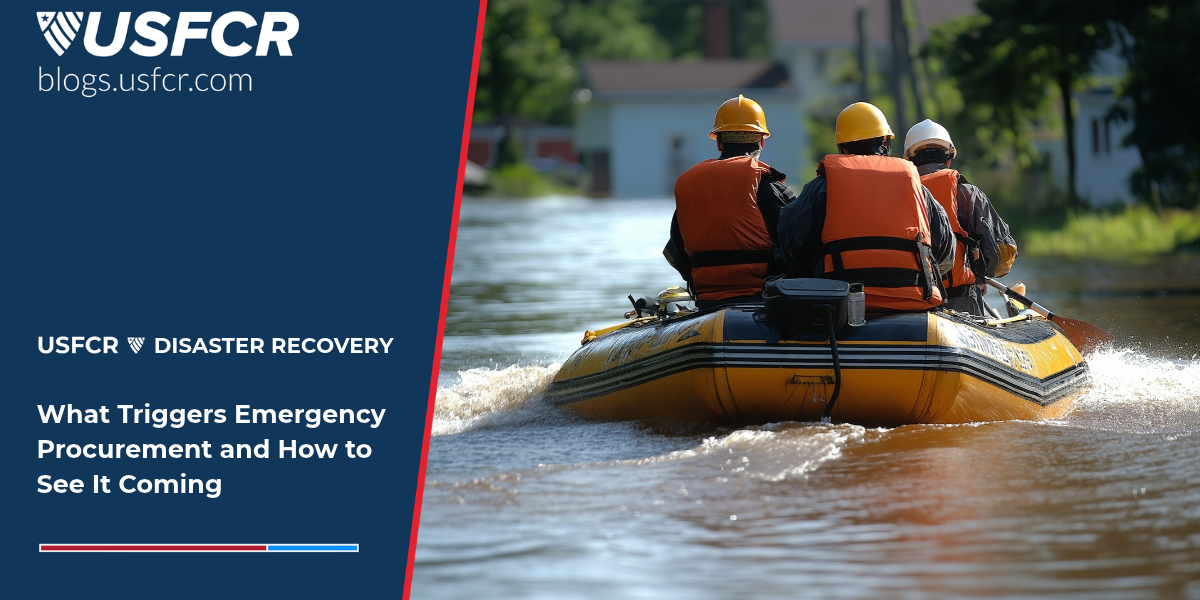
What Triggers Emergency Procurement and How to See It Coming

Nov 9, 2026, 12:00:00 PM / by Kyle Hayes posted in Guides, Disaster Relief, Federal Spending, Events

Quick Answer

Emergency procurement is triggered mainly by a Presidential Stafford Act declaration, a public health emergency, a military contingency operation, or a cyber, nuclear, biological, chemical, or radiological attack. These events can let agencies raise purchase thresholds, use urgency procedures, and prefer local firms. The best move is to keep your SAM registration active and opt into the Disaster Response Registry before an event.

Read More

Government Contracts vs. Government Grants: Why They're Not the Same Thing

Oct 28, 2026, 10:30:00 AM / by Kyle Hayes posted in Guides, Federal Spending, Registration & Compliance Management

Quick Answer

A government contract is the government buying something it needs from your business. A government grant funds a public purpose the government wants carried out. For most small businesses selling a product or service, the contract side applies. Confirm which instrument a specific opportunity uses before you spend time on it, because the choice controls your registrations and your recourse after a loss.

Read More

Year-End Compliance Checklist: 2026 vs. 2027 Requirements

Oct 15, 2026, 10:30:00 AM / by Kyle Hayes posted in Guides, News, Federal Spending, Registration & Compliance Management

Quick Answer

A year-end compliance checklist for federal contractors covers two lists this year: the standing items that renew every year, led by SAM registration and certification maintenance, and the items that changed for 2027, including a new performance-record model on DoD contracts, documentation obligations that now follow a contract through its whole lifecycle, and a CMMC certification requirement currently on hold pending a DoD review. Working both lists in December protects eligibility before January pursuits begin.

Read More

Why Sources Sought Notices and RFIs Are Worth Your Time

Oct 14, 2026, 10:30:00 AM / by Kyle Hayes posted in Guides, Federal Spending, Registration & Compliance Management

Quick Answer

Sources sought notices and requests for information (RFIs) are market research tools agencies use before writing a solicitation, not the solicitation itself. Responding matters because it gives the contracting officer documented evidence to set the work aside for small businesses and to avoid writing requirements only one company can meet. Skip these notices, and you're showing up after the requirement and the set-aside decision are already locked in.

Read More

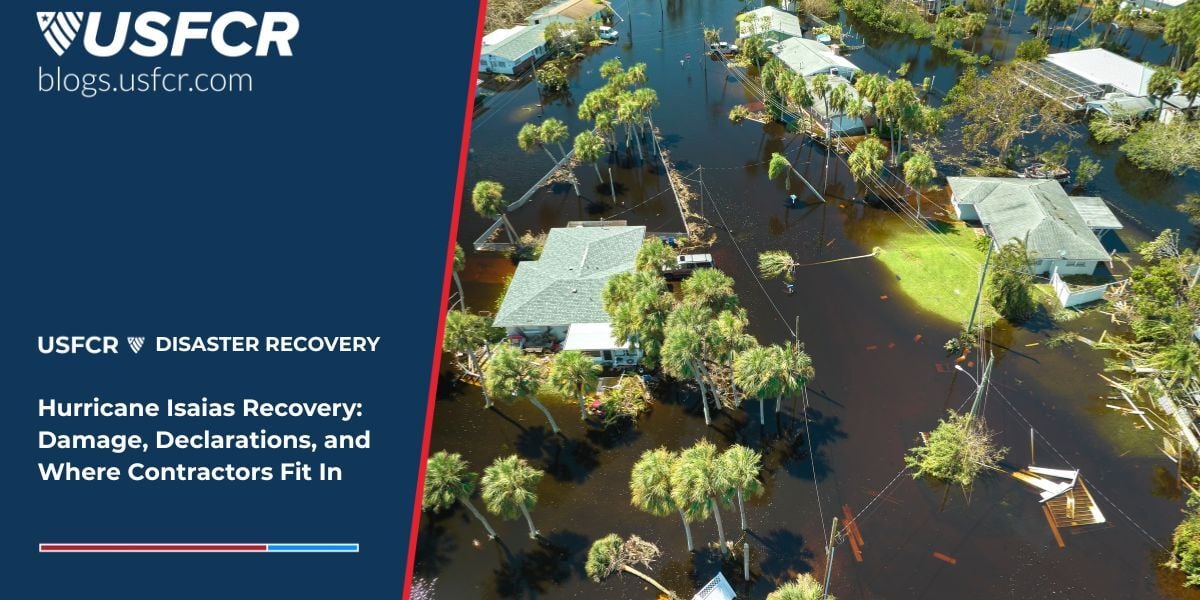
Hurricane Isaias Recovery: Damage, Declarations, and Where Contractors Fit

Oct 13, 2026, 12:59:59 PM / by Kyle Hayes posted in Guides, Disaster Relief, Federal Spending, Registration & Compliance Management

Quick Answer

Hurricane Isaias made landfall near Destin, Florida, on October 9, 2026, as a Category 2 storm, and recovery is still in the emergency stage. Federal emergency declarations for parts of Florida, Alabama, and Georgia currently fund only emergency protective measures. That means most contractor work right now runs through counties, cities, and established prime contractors. An active SAM registration with a Disaster Response Registry listing is the first step toward getting involved.

Read More

Overhead Rates: Government vs. Commercial Explained

Oct 13, 2026, 10:30:00 AM / by Kyle Hayes posted in Guides, Federal Spending, Registration & Compliance Management

Quick Answer

In commercial business, overhead is a private number folded into your price, and customers judge only the price. In government contracting, overhead becomes a structured, visible rate: indirect costs are grouped into defined pools, applied through calculated rates, and, on cost-type work, billed provisionally and settled against actuals. The difference shapes how you price, what your accounting system must do, and how buyers judge whether your numbers are realistic.

Read More

Why Government Buyers Care About Incurred Cost Submissions

Oct 8, 2026, 10:30:00 AM / by Kyle Hayes posted in Guides, Federal Spending, Registration & Compliance Management

Quick Answer

Government buyers care about incurred cost submissions because on cost-reimbursement and time-and-materials contracts, the government pays a contractor's actual allowable costs, and the annual submission is how those costs get verified and settled. Commercial buyers rarely look inside a supplier's books, while a federal buyer paying actual costs must. The submission is due within six months of the contractor's fiscal year end, and being ready for it signals readiness for cost-type work.

Read More